
The Ultimate Guide to Mumbai Local Trains: Routes, Tickets, and Insider Tips
Welcome to the heartbeat of the city! If you are planning to visit or live in the “City of Dreams,” you need to understand the suburban railway system. Commonly known as the Mumbai local train, this network is more than just transport; it is the lifeline that keeps the city moving. Whether you are a first-time visitor or a new resident, navigating the western line, centeral line, or harbour line can feel overwhelming.
In this guide, I’ll walk you through everything you need to know about train tickets Mumbai, the difference between first class vs second class, and how to use the latest AC local trains in mumbai. By the time you finish reading, you’ll be traveling like a true Mumbaikar!
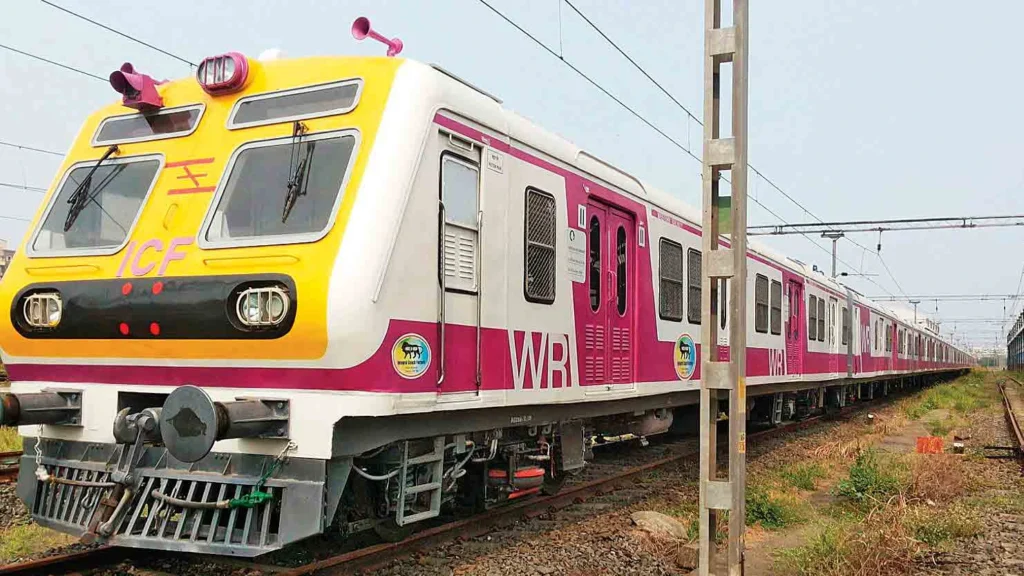
1. Introduction & Overview
The Mumbai local train is a massive suburban rail network that carries millions of passengers every single day. It is often called the “Lifeline of Mumbai” because, without it, the city would come to a complete standstill.
This system is perfect for anyone who wants to beat the legendary Mumbai traffic. Whether you are looking for the mumbai local train ticket price for a short hop or a local train pass in mumbai for a month-long stay, the railway offers the most efficient way to get from Point A to Point B. It connects the distant suburbs to the main business hubs in South Mumbai, making it essential for local Mumbai people, domestic tourists, and foreign travelers alike.
2. Why This Route is Important in Mumbai
Why should you choose the train over a taxi?
- Speed: While a car might take two hours to get from Borivali to Churchgate during peak hours, the western line local can do it in about an hour.
- Cost: The mumbai local fare is incredibly cheap. You can travel across the city for a fraction of the cost of a cab. Even the mumbai local train first class ticket price is affordable compared to private rentals.
- Convenience: With trains running every few minutes, you never have to wait long.
- Connectivity: It reaches parts of the city where the Metro is still under construction. From the harbour line connecting to Navi Mumbai to the centeral line heading toward Thane, the coverage is unparalleled.
3. History & Background
The history of bombay train tickets goes back to 1853, when the first passenger train in India ran from Bori Bunder (now CST) to Thane. Over the decades, it evolved from a colonial steam engine service into the high-frequency electric system we see today.
It changed Mumbai by allowing the city to grow vertically and northwards. People could live in affordable suburbs and work in the city center. Today, while we have modern additions like the mumbai ac local train, the core “local” experience remains a symbol of the city’s resilience and fast-paced life.
4. Types & Classes of Local Trains
When you stand on a platform, you’ll see different types of trains. Understanding the local train compartment types is crucial for your comfort.
First Class vs. Second Class
Is the mumbai local upgrade worth it?
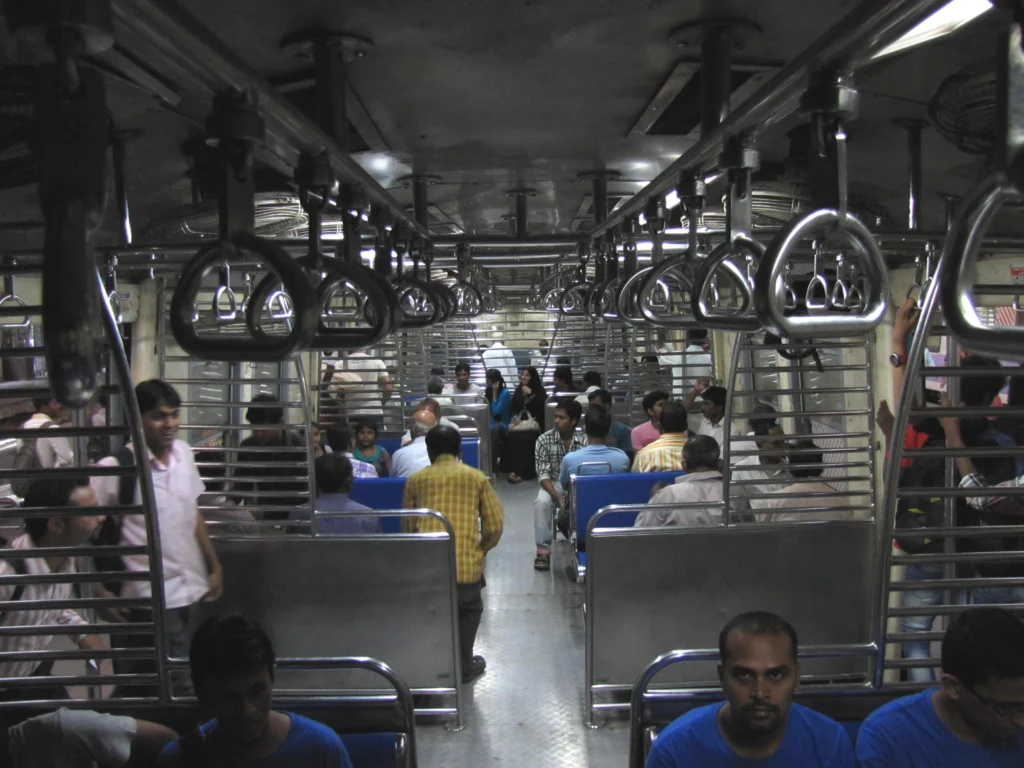
- Second Class: This is where the majority of Mumbai travels. It is very cheap but can be extremely crowded.
- First Class: The first class local train ticket price is usually 10x higher than second class. In return, you get cushioned seats and a slightly less (though still busy) crowded environment. If you are a tourist, the first class ticket price local train mumbai is well worth the extra few rupees for the added comfort level Mumbai train.
AC Local Trains
For the ultimate comfort, look for the ac train in mumbai. These are fully air-conditioned with automatic sliding doors. They are the safest/coolest option for newcomers. You can check ac local trains in mumbai timings on the m indicator app to plan your journey.
5. How to Use the Mumbai Local Train
Follow these steps to board your first train:
- Identify Your Line: Determine if your destination is on the western line, centeral line, or harbour line.
- Check the Indicator: Look at the electronic boards on the platform. A “F” means Fast (skips small stations) and “S” means Slow (stops at every station).
- Find Your Coach: Look for markings on the platform or overhead signs. There are dedicated coaches for First Class, Ladies, Cancer Patients, and Divyangjan (Specially Abled).
- Boarding: In Mumbai, people often start moving before the train fully stops. As a beginner, wait for it to stop, but move quickly!
6. Ticket System Explained
Buying train tickets mumbai has become much easier with technology.
Offline Booking
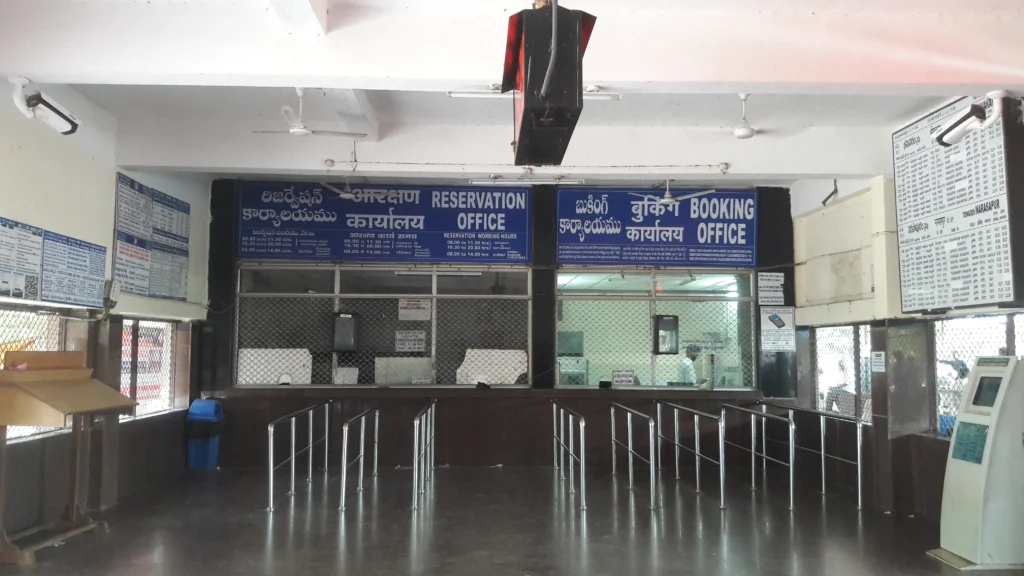
- Ticket Counters: You can stand in line at any station to buy a local train ticket mumbai.
- ATVM Machines: Use the Automatic Ticket Vending Machines at stations to avoid long queues. You can pay via QR code or smart cards.
Online Booking
- UTS App: This is the most popular way to buy a local train ticket mumbai or a local train pass online mumbai. You can download uts mobile app and book paperless tickets on your phone.
- Mumbai Local Pass: If you are staying for more than a few days, getting a mumbai local monthly pass price calculated is a great idea. You can get a mumbai local pass for 1 month, 3 months, or a year.
Ticket Price Range
- Second Class: Starts as low as ₹5.
- First Class: Usually starts around ₹50.
- AC Local: The mumbai ac local train ticket price is higher than first class but offers maximum comfort.
Monthly Passes: The local train pass fare in mumbai varies by distance, but a mumbai local train monthly pass price often pays for itself within 10–12 trips.`
7. Travel Timings & Frequency
- Operating Hours: Trains typically run from 4:00 AM to 1:00 AM.
- Peak Hours: Avoid 8:30 AM – 11:00 AM (towards South Mumbai) and 5:30 PM – 8:30 PM (away from South Mumbai). This is the “Super Dense Crush Load” time.
- Best Time for Tourists: 11:00 AM to 4:00 PM. The trains are emptier, and you can actually get a window seat to enjoy the city views.
8. Routes & Coverage Area
The system is divided into three main “arteries”:
- Western Line: Runs from Churchgate to Dahanu Road. Major stops include Dadar, Bandra, Andheri, and Borivali.
- Central Line: Runs from Chhatrapati Shivaji Maharaj Terminus (CSMT) to Kasara or Khopoli. Major stops include Byculla, Dadar, Kurla, Thane, and Kalyan.
- Harbour Line: Connects CSMT to Panvel and Goregaon. This is the best route for reaching Navi Mumbai or the Chembur area.
9. Cost & Budget Information
The Mumbai local train charges are designed to be the cheapest way to travel.
- A local train monthly pass price for second class is incredibly budget-friendly for daily earners.
- If you want to save money, stick to second class. If you want to save your energy and avoid sweat, the ac local train monthly pass price is a great investment for regular commuters.
10. Tourist Experience & Local Tips
- The “M-Indicator”: Always have the m indicator com or app on your phone. It gives real-time schedules and platform numbers.
- Dadar Station: This is the busiest interchange. Avoid it during rush hour unless you enjoy being part of a human tide!
- The “Vibe”: Watch the “Leaning Men” near the doors (don’t copy them!) and the vendors selling snacks and trinkets inside the coaches. It’s a shopping mall on wheels.
11. Safety Risks & Things to Be Careful About
- Crowds: The rush can be physically exhausting. Hold onto your belongings tightly.
- Pickpocketing: Keep your wallet in your front pocket and turn your backpack to your front.
- Track Crossing: NEVER cross the tracks. Always use the Foot Over Bridges (FOBs).
- Gap: Mind the gap between the platform and the train.
12. Safety Precautions
- For Women: Use the dedicated “Ladies Special” trains or the ladies’ compartments marked with green and red stripes. These are generally safer and less crowded than general compartments.
- Emergency: If you feel unsafe, every coach has an emergency talk-back system (in newer trains) or an alarm chain.
- Late Night: If traveling late, try to sit in a coach that has other passengers.
13. Things to Carry
- Cash: For buying a quick mumbai local fare ticket if the app fails.
- ID Proof: Required if you are using a mumbai local pass.
- Hand Sanitizer: You’ll be touching a lot of poles and handles.
- Water: Mumbai’s humidity is no joke!
14. Travel Tips (Local Secrets)
- Window Seat Trick: If the train is at its starting station (like Churchgate or CSMT), reach 15 minutes early to snag a window seat.
- Wait for the Next One: If a train looks too full, wait 3 minutes. Often, the very next train is significantly emptier.
- The “Bridge” Strategy: Try to board coaches that stop away from the main exit bridges; they are usually slightly less crowded.
Forget the hassle and choose CABTAN—Mumbai’s most punctual and affordable cab service. Our trained drivers ensure a safe, reliable, and completely worry-free journey. Fill out the form below to book your ride now.